
How to Clean Adult Toys by Material (+ Storage Tips)
Last reviewed: October 2026
A good care routine keeps adult wellness toys looking and feeling the way they did on day one. It is not complicated: wash with the right cleaner for the material, dry fully, store separately, and mind charging ports. This guide walks through a plain-English routine for common materials used in the USA—silicone, ABS, and TPE—plus water ratings, storage, and a short battery note.
If you are still choosing materials, start with our body-safe materials guide for beginners (silicone vs TPE). For more how-tos, browse all Guides.
Why a Care Routine Matters
Regular cleaning and smart storage protect the surface finish and the soft or rigid feel of each material. Porous and non-porous materials age differently when left damp, stored pressed against other soft toys, or wiped with harsh cleaners. A five-minute habit after each use helps toys last longer and stay pleasant to use. This article focuses on product care and material integrity—not medical advice.
Before and After Each Use
Treat every session the same way: clean before first use, then again after.
- Rinse under warm water (not scalding).
- Wash with a mild, unscented soap or a dedicated toy cleaner.
- Pay attention to seams, textures, and any buttons or rings where residue can collect.
- Rinse thoroughly so no soap film remains.
- Dry completely before charging or storing (see drying below).
Skip abrasive scrubbers, alcohol, acetone, bleach, and oil-based products unless the manufacturer explicitly says they are safe for that item. Those can dull finishes or soften some plastics and elastomers.
Care by Material: Silicone, ABS, and TPE
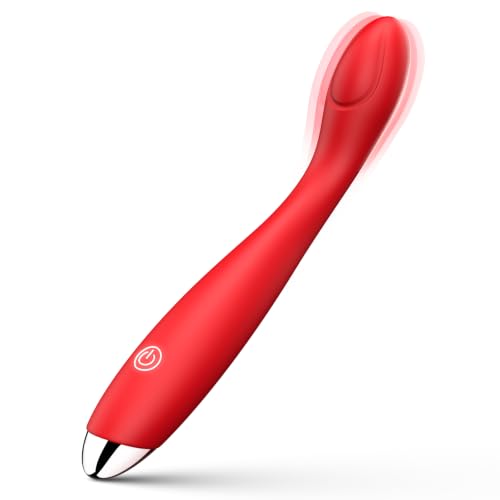
Silicone (typically non-porous)
Platinum-cure or medical-grade style silicone is usually non-porous, so surfaces are easier to wash clean. Warm water plus mild unscented soap or toy cleaner is enough for most non-motorized silicone pieces. For motorized models, follow the water rating and keep charging ports dry. Do not use silicone lubricants on silicone toys unless the product instructions say otherwise—they can degrade some silicone surfaces over time. See which lube is safe for silicone, TPE, and ABS toys.
ABS (rigid plastic)
ABS is a hard, smooth plastic often used for housings and some toy bodies. Clean with warm water and mild soap or toy cleaner. Wipe electronics-friendly areas carefully. Avoid soaking unless the device is rated for submersion. Soft cloths work better than rough pads that can scratch glossy finishes.
TPE (porous—extra drying)
TPE (thermoplastic elastomer) and similar soft blends are often more porous than silicone. Wash gently with warm water and mild unscented soap or a cleaner labeled for TPE. Squeeze out moisture from textures, then air-dry longer than you would for silicone. Never rush a damp TPE piece into a closed pouch—trapped moisture can leave odors and shorten the life of the material.
For a clearer comparison of feel and care trade-offs, see silicone vs TPE for beginners.
Water Ratings: IPX6 vs IPX7 (and Charging Ports)
Not every wellness toy is fully waterproof. Check the label or manual before rinsing under a faucet or placing a device in a bowl of water.
- IPX6: Designed to handle powerful water jets or thorough rinsing. Treat it as rinse-safe, not as something to leave underwater.
- IPX7: Typically rated for short submersion under defined conditions. Still follow the manufacturer’s depth and time limits.
Regardless of rating, keep charging ports dry. Cap magnetic contacts if a cover is included. Wait until the device is fully dry before plugging in or placing it on a charger. When in doubt, use a damp cloth on the body and avoid the port area.
For more detail before you rinse or submerge, read IPX / waterproof claims before rinsing or submerging.
Drying: Air-Dry Fully
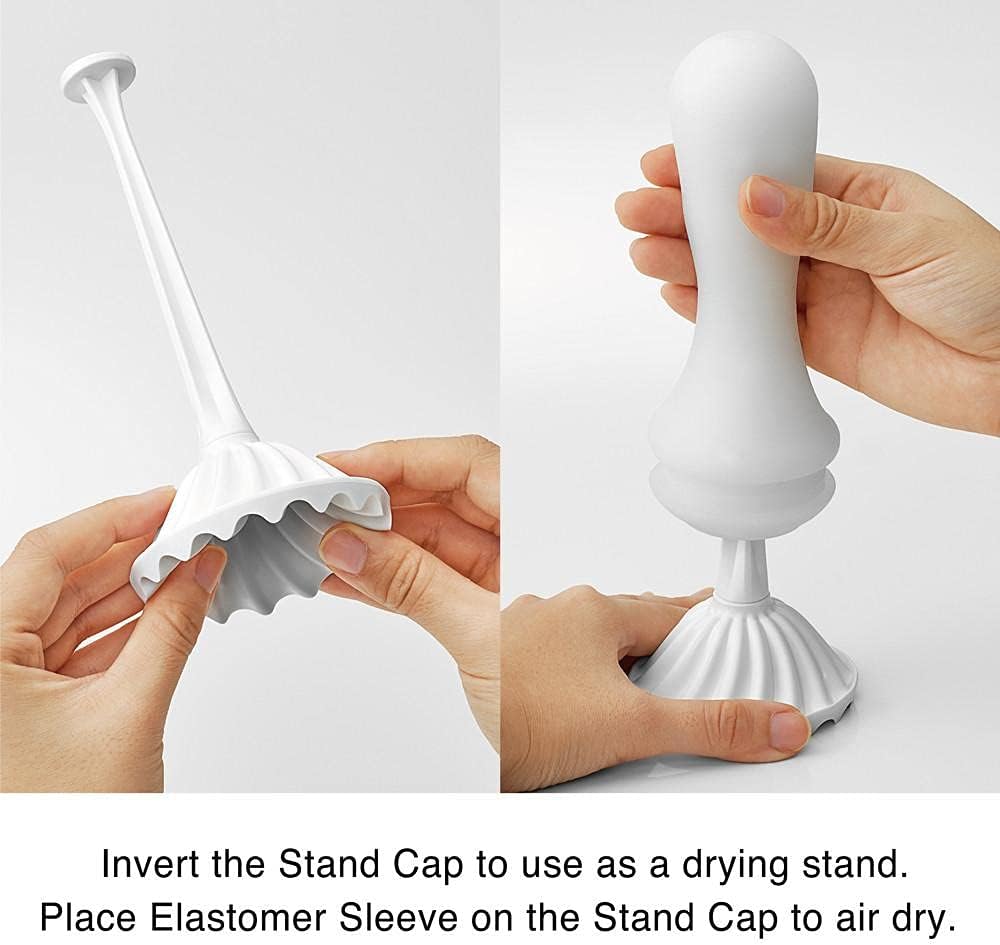
After rinsing, pat with a lint-free cloth, then leave the toy to air-dry completely on a clean towel in a ventilated spot. Textured surfaces and TPE need more time. Do not store or charge while damp. Hair dryers on high heat are usually a bad idea—gentle air is safer for soft materials and seals.
For stroker sleeves specifically (TPE vs silicone drying, renewing powder, and stands), see how to dry a stroker sleeve.
Storage: Pouches, Separation, and Climate
Good storage is as important as washing.
- Use a separate pouch or bag for each toy so finishes do not rub together.
- Keep silicone away from other silicone and from TPE. Soft materials can interact when left in contact for long periods and may stick or alter surface feel.
- Choose a cool, dry place away from direct sun, heaters, and humidity.
- Leave charging cables unplugged when not in use; coil them loosely so connectors are not stressed.
If you are comparing device styles before you buy, our overview of suction vs vibration can help you match features to how you plan to care for them.
Sharing a home or a thin wall? See how quiet is a quiet vibrator (dB explained) for what noise ratings mean and simple ways to keep sound down.
Short Note on Charging and Batteries
Charge on a stable, dry surface with the cable or dock that came with the product (or a maker-approved spare). Do not charge on a wet counter. Unplug when full if the manual recommends it. For travel and delivery expectations in the USA—including how packages are handled—see how discreet shipping works for adult wellness. Follow any airline or carrier rules for lithium batteries when you pack powered toys.
Quick Checklist: Toy Care in 5 Steps
- Wash with warm water and mild unscented soap or toy cleaner before and after use.
- Match the method to the material (silicone, ABS, or TPE) and the water rating.
- Keep ports dry—never charge a damp device.
- Air-dry fully on a lint-free cloth or clean towel.
- Store separately in pouches, silicone apart from other soft materials, in a cool dry place.
- Pair toys with a compatible lube—browse Lubricants & Care and read each label.
FAQ
Can I use dish soap?
Yes, if it is a mild, unscented dish soap and you rinse thoroughly. Strong degreasers, antibacterial formulas with harsh additives, and heavily fragranced soaps are better avoided. A dedicated toy cleaner is a convenient alternative when you want something labeled for wellness products.
Can I boil it?
Only if the manufacturer says the exact item can be boiled or heat-sterilized. Many motorized toys, ABS housings, and TPE pieces should not be boiled. Heat can warp plastics, damage seals, and ruin batteries. Stick to warm water and mild soap unless the instructions clearly allow boiling or another high-heat method—and never boil anything with electronics inside.
How often should I replace a toy?
There is no single calendar rule. Replace when you see tears, sticky or crumbly surfaces, persistent odor after a full clean-and-dry cycle, cracked housings, or unreliable charging. Soft TPE often shows wear sooner than quality silicone. When care no longer restores a comfortable, intact surface, it is time for a new one. Browse more practical tips in our Guides hub.
For adults 18+. Educational product-care content only; not medical advice. Always follow the care instructions that ship with your specific product.