
How to Dry a Stroker Sleeve So It Stays Soft (TPE vs Silicone)
Last reviewed: October 2026
A stroker sleeve that is put away damp is the most common reason it starts to feel sticky, smell musty, or show spots. The fix is not complicated: rinse, squeeze, air-dry fully, and store it somewhere that breathes. This guide walks adults 18+ in the USA through a simple drying routine for the two sleeve materials you will see most often—TPE/TPR and silicone—plus when to use renewing powder and when it is time to replace a sleeve.
This is product-care education, not medical advice. Always follow the care card that came with your specific product when it differs from a general guide.
The short answer
- Rinse, squeeze, then air-dry completely—inside and out—before storing. Many sleeves need several hours; thick or textured TPE sleeves can take overnight.
- TPE/TPR is porous and holds water longer than silicone, so it needs more drying time and benefits from a light dusting of renewing powder once dry.
- Silicone is non-porous, dries faster, and does not need powder.
- Use cool air only. Heat from a hair dryer on a hot setting, radiators, or direct sun can warp or weaken soft sleeve materials.
- Store dry, separate, and in something breathable—not an airtight box while still damp.
Why sleeves stay wet (TPE vs silicone)
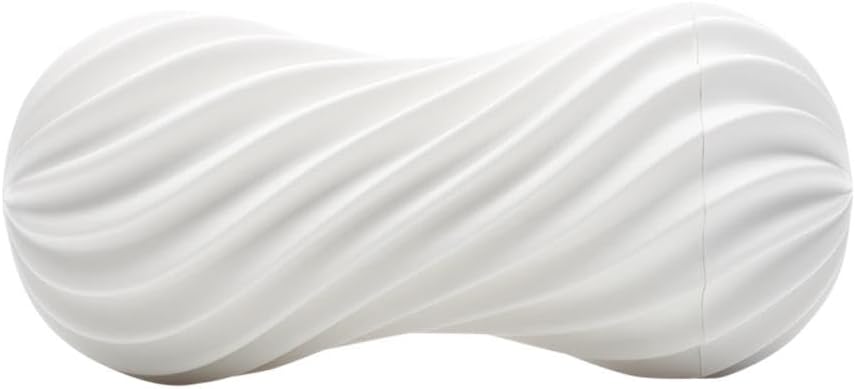
Stroker sleeves are thick, soft, and usually textured inside, which means water collects in ridges and at the closed or narrow end where air does not move.
- TPE/TPR (thermoplastic elastomer/rubber) is soft and stretchy but porous. It can hold moisture and residue in its surface, which is why it may feel tacky or take on odors if it is stored before it is fully dry.
- Silicone is non-porous, so water sits on the surface rather than soaking in. It dries faster and is easier to keep fresh, though deep internal textures still trap droplets.
Not sure which one you have? Check the materials line on the product page or the insert in the box. Our body-safe materials guide (silicone vs TPE) explains the differences in more detail.
Step by step: rinse, squeeze, air-dry
- Clean first. Wash the sleeve with warm (not hot) water and a mild, unscented soap or a toy cleaner, as described in our clean & store guide by material. Remove the sleeve from any hard case first if the design allows it.
- Rinse thoroughly. Leftover soap or lube residue can make a sleeve feel sticky after drying. Water-based lube rinses away most easily—see our lube compatibility guide for which formulas suit TPE and silicone.
- Squeeze, don’t wring. Gently press water out from the closed end toward the opening. Twisting or wringing can tear soft TPE.
- Pat the outside dry with a clean, lint-free towel or paper towel.
- Dry the inside. Either turn the sleeve inside out (only if the maker says it can be inverted) or prop the channel open so air can move through it (see the next section).
- Air-dry fully. Leave it in a clean, well-ventilated spot at room temperature. Plan for at least a few hours; overnight is a safe default for thick TPE sleeves.
- Check before storing. Feel inside the channel with a clean finger or a dry paper towel. If it is still cool or damp, give it more time.
Inside-out vs drying rod or stand
| Method | Best for | Pros | Watch out for |
|---|---|---|---|
| Turning inside out | Thin, stretchy sleeves the maker says can be inverted | Exposes inner texture to air; fastest drying | Over-stretching can tear TPE; not suitable for thick or bonded sleeves |
| Drying rod / stick | Open-ended or long channels | Keeps channel open and air moving; no stretching | Use a clean, smooth, non-absorbent rod; don’t force it |
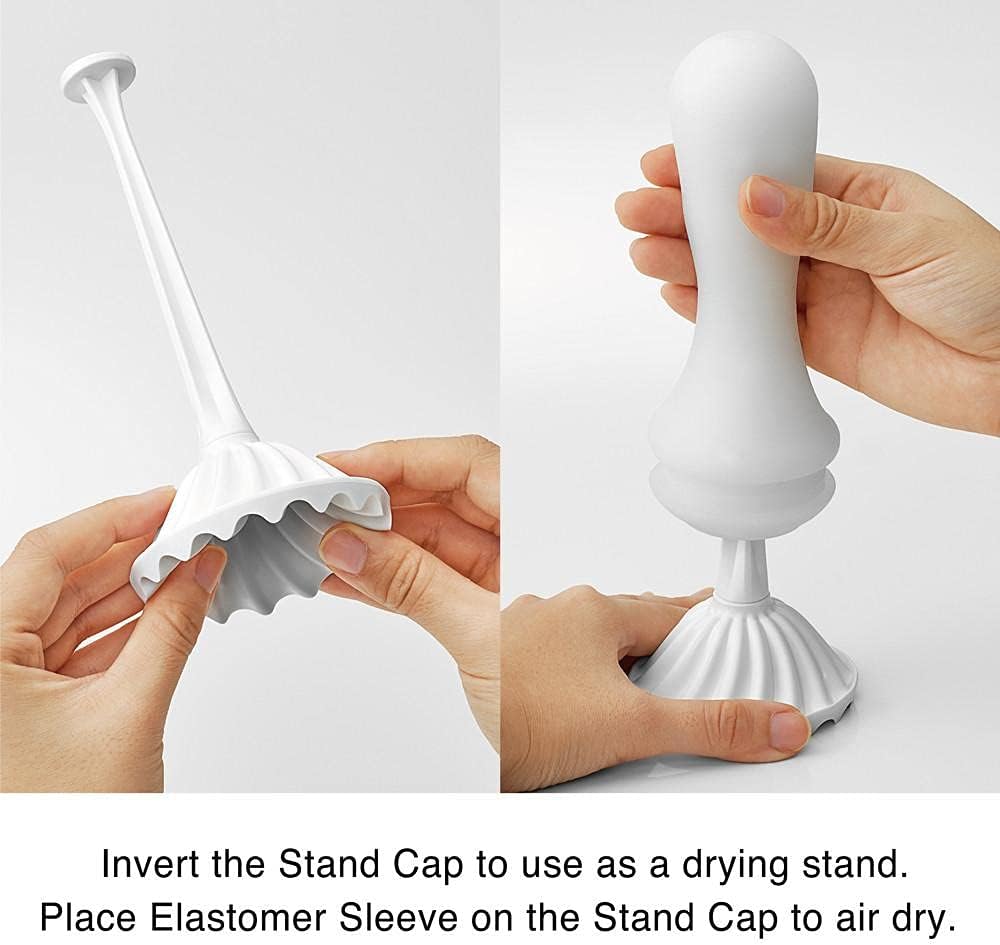
| Drying stand | Sleeves sold with a stand or holder | Hands-off; lets water drain downward | Make sure the opening faces down or sideways so water can escape |
| Paper towel inside | Short closed-end sleeves | Wicks water from the deep end | Swap it out once soaked; don’t leave fibers behind |
Some products ship with a dedicated stand—for example, our Flexible Spiral Manual Stroker with removable sleeve and drying stand—which makes the upside-down, open-air drying step easier.
Renewing powder: for TPE only
Once a TPE/TPR sleeve is completely dry, many manufacturers recommend a light dusting of renewing powder (often cornstarch-based) to reduce surface tackiness and restore a soft, smooth feel.
- Use the powder the maker recommends, or plain unscented cornstarch if your care card allows it.
- Apply a thin, even layer to a fully dry sleeve, then tap off the excess.
- Avoid scented or perfumed powders.
- Rinse the powder off before the next use.
- Silicone sleeves don’t need powder—they are non-porous and should not feel tacky when clean and dry. If a silicone sleeve feels sticky, residue or an incompatible lube is the more likely cause.
Storage: dry, separate, breathable
- Breathable bag or pouch. A cotton or satin pouch lets any leftover moisture escape. Avoid sealing a sleeve in an airtight container or plastic bag unless it is completely dry.
- Keep materials apart. Soft TPE and jelly-type materials can react with or take color from other toys, especially silicone and dyed items. Store each sleeve separately.
- Cool, dark place. Heat and direct sunlight can warp, discolor, or degrade soft materials.
- Dust-free. Lint and dust stick easily to TPE; a pouch keeps the surface clean between uses.
For more on privacy after purchase, see our male care, discretion, and private shopping guide.
When to replace a sleeve
Even with good care, soft sleeves wear out. Consider replacing a sleeve when you notice:
- A lasting odor that remains after proper cleaning and full drying
- Tears, cracks, or holes, including small splits at the opening
- Discoloration or dark spots that don’t wash off
- A surface that stays sticky after cleaning, drying, and powdering
- Changes in shape or texture, such as a warped or hardened channel
Porous TPE sleeves typically need replacing sooner than silicone ones used the same way.
FAQ
Can I use a hair dryer to speed up drying?
Only on a cool or no-heat setting, held at a distance. Hot air can soften, warp, or weaken TPE and other soft materials. Patience and good airflow are the safer choice.
Can I put a stroker sleeve in the dishwasher?
No, unless the manufacturer explicitly says it is dishwasher-safe. High heat and harsh detergents can damage soft sleeve materials and leave residue.
How long does a stroker sleeve take to dry?
It depends on thickness, texture, and room humidity. Thin silicone sleeves may dry in an hour or two; thick, textured TPE sleeves often need several hours or overnight. Always check the inside before storing.
Why does my TPE sleeve feel sticky after drying?
Stickiness is a normal trait of TPE, and it can increase with soap or lube residue. Rinse thoroughly, dry fully, and apply a light dusting of renewing powder. Using a water-based lube also helps.
Can I store a sleeve inside its hard case?
Only once it is completely dry. If the case is closed and airtight, trapped moisture can lead to odor. Leaving the case open for the first few hours after drying is a simple safeguard.
Do I need to dry the outer case too?
Yes. Wipe and air-dry the case separately, especially around seams and end caps where water collects.
For adults 18+. Educational product-care content only; not medical advice. If you experience irritation, stop using the product and consult a healthcare professional. Always follow the instructions supplied with your specific product. Questions about a specific item? Email support@aitoyplay.com. More how-tos in our Guides.