
Lube Compatibility by Toy Material: Silicone, TPE, and ABS
Last reviewed: October 2026
Picking a lube is not only about feel. The material your toy is made of decides which formulas keep its surface smooth and which ones can slowly turn it sticky, cloudy, or rough. The good news: one rule covers most situations, and a two-minute check covers the rest. This guide gives adults 18+ in the USA a plain-English compatibility chart for the materials you will actually see on product pages—silicone, TPE/TPR, and ABS plastic—plus a patch-test routine and cleanup tips.
If you are still deciding between materials, start with our body-safe materials guide (silicone vs TPE). This article is product-care education, not medical advice.
The short answer
- Not sure? Use a water-based lube. It is the widely accepted safe default for silicone, TPE/TPR, and ABS toys, and it rinses off easily.
- Silicone lube + silicone toy is the classic mismatch. Skip it unless the toy’s manufacturer explicitly says it is fine.
- Oil-based products and soft, porous materials don’t mix well. Avoid oils on TPE/TPR and jelly-type toys.
- Hard, non-porous materials (ABS, glass, stainless steel) are the most forgiving—but the toy’s own instructions always win.
The three lube bases, explained
Water-based
Water-based formulas feel light, wash away with water, and are the most material-friendly option. The trade-off is that they can dry out during longer sessions; a few drops of water or a little more lube usually revives the glide. Water-based lube is also generally considered compatible with latex condoms. Ingredient lists vary a lot between brands, so read the label—especially if you have sensitive skin.
Silicone-based
Silicone lubes last longer, stay slick in the shower, and need less reapplication. The catch: they can react with silicone toys. Brand guides from lube makers such as K-Y and Trojan both warn against using silicone-based lube directly on silicone toys because it can leave the surface tacky or degraded over time. Silicone lube is also harder to rinse off and usually needs soap and water. On the plus side, it is generally compatible with latex condoms.
Oil-based
Oil-based products are long-lasting but messy, can stain fabrics, and are not compatible with latex condoms—the CDC advises against oil-based lubricants with condoms because they can weaken latex and cause breakage. On porous soft materials like TPE they can be absorbed into the surface. Sources disagree about oil on high-quality silicone—some toy makers allow it, others say avoid—so treat it as “only if your toy’s instructions say yes.”
Hybrids and flavored lubes
Hybrid lubes blend a water base with a small share of silicone. Because they contain silicone, treat them like silicone lube on silicone and TPE toys until you have patch-tested. Flavored lubes can be built on any base; check the label for the base before using one with a toy. Many flavored formulas are also labeled for external use only, so follow the directions on the package.
Lube compatibility chart by toy material
| Toy material | Water-based | Silicone-based | Oil-based | Hybrid |
|---|---|---|---|---|
| Silicone (body-safe / platinum-cure) | ✅ Safe default | ❌ Avoid unless maker allows | ⚠️ Only if maker allows | ⚠️ Patch-test first |
| TPE / TPR / jelly (soft, porous) | ✅ Best choice | ❌ Avoid | ❌ Avoid | ❌ Avoid |
| ABS (hard, smooth plastic) | ✅ Safe | ✅ Usually fine | ⚠️ Wipe off after use | ✅ Usually fine |
| Mixed (silicone body + ABS handle or remote) | ✅ Safe | ❌ Follow the silicone rule | ⚠️ Follow the silicone rule | ⚠️ Patch-test |
When a toy combines materials, follow the rule for the most sensitive material that touches the lube. On most vibrators that is the silicone part.
How to check your toy’s material before you choose
- Read the materials line on the product page. On Aitoyplay, open the Additional information or Specifications section. For example, the Curved G-Spot Vibrator lists “Body-safe Silicone,” and its care notes say to use water-based lubricant only.
- Look for mixed materials. The Wireless Remote Control Vibrating Egg lists “Body-safe silicone and ABS”—a silicone egg with an ABS remote. Its page also recommends water-based lube with silicone, and notes the remote should not be immersed.
- Check the insert in the box. Manufacturer instructions override any general chart, including this one.
- Still unclear? Email support@aitoyplay.com before you buy or before you try a new lube. Our FAQ confirms you can ask product and material questions ahead of time.
Silicone toys: what to use and what to skip
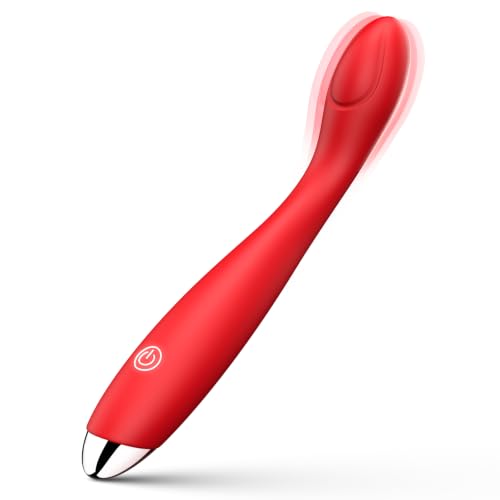
Silicone is popular for beginners because it is generally non-porous and easy to wash. Pair it with a water-based lube and you have the simplest care routine there is. If you love the long-lasting glide of silicone lube, you have two cautious options: use it only with toys made of non-silicone materials, or patch-test on a small, hidden area of the toy first (see below) and only continue if the maker allows it.
Signs a lube is not getting along with your silicone toy: a tacky or gummy feel that does not wash away, a cloudy or dull patch, or a surface that feels rougher than before. If you notice any of these, stop using that lube with that toy.
TPE and TPR toys: keep it simple
TPE (thermoplastic elastomer) and TPR feel very soft, which is why they are common in sleeves and strokers. They are also more porous than silicone, so they absorb what you put on them more readily. Use water-based lube only, apply generously, and rinse thoroughly afterward. Then give TPE extra drying time before storage—our cleaning guide by material explains why trapped moisture shortens TPE’s life.
After you rinse, also see how to dry a TPE or silicone stroker sleeve after cleaning.
Some sleeves don’t list their exact material on the product page. The Flexible Spiral Manual Stroker, for example, tells you to use a compatible lubricant according to the included instructions—check that insert, and default to water-based if it is unclear. You can browse sleeves and strokers in the For Men collection.
ABS and other hard materials
ABS is a rigid plastic used for housings, handles, remotes, and some bullet-style bodies. It does not absorb lube, so water-based and silicone-based formulas are both usually fine on the ABS itself. Oils are less predictable on some plastics, so wipe them off after use. Remember that many “ABS” toys still have silicone contact areas—check before you switch lubes.
How to patch-test a new lube
Trying a new formula on a toy you love? Spend two minutes on this first:
- Clean and fully dry the toy.
- Put a small dab of the new lube on an inconspicuous spot (the base or underside, away from seams and charging ports).
- Leave it for several hours or overnight.
- Wash the spot with warm water and mild, unscented soap, then dry it.
- Compare the spot to the rest of the toy. If it feels tacky, looks cloudy, or seems swollen or rough, that lube is not a match.
Cleanup: lube residue and charging ports
- Water-based: rinse with warm water and a mild, unscented soap or toy cleaner.
- Silicone-based: needs soap and a little more rinsing to remove the slick film.
- Keep lube away from charging ports. Wipe the port area with a dry cloth, and never charge until the toy is completely dry. The Curved G-Spot Vibrator is rated IP68, while the egg’s remote should stay out of water—always go by each item’s rating.
- Dry completely, then store each toy separately in a clean pouch.
For the full step-by-step routine, see how to clean and store adult toys by material.
Building a simple first kit
For most beginners, one bottle of water-based lube plus a mild cleaner covers nearly every toy. Aitoyplay’s Water-Based Personal Lubricant is one option; you can compare all formulas in the Lubricants collection. Whatever you choose, read the ingredients, compatibility notes, and directions on the label before use.
Orders ship in plain outer packaging with no sensitive product names or adult imagery visible on the parcel. Free standard shipping is available to eligible street addresses in the 48 contiguous U.S. states and Washington, D.C.—see Shipping Information for current processing and delivery estimates.
FAQ
What lube is safe for silicone toys?
Water-based lube is the safe default for silicone toys. Avoid silicone-based lube on silicone toys unless the manufacturer explicitly allows it, and patch-test any new formula first.
Can I use silicone lube on a TPE toy?
It is best avoided. TPE and TPR are softer and more porous than silicone, so they can absorb silicone and oil-based formulas. Stick with a water-based lube for TPE.
Is coconut oil or baby oil safe with toys?
Oils are generally not recommended for soft or porous toys, and oil-based products are not compatible with latex condoms. Only use an oil with a toy if its instructions say it is safe.
What about hybrid or flavored lubes?
Hybrids contain some silicone, so treat them like silicone lube on silicone and TPE toys and patch-test first. Flavored lubes can be water-, silicone-, or oil-based—check the label for the base and for any “external use only” directions.
My water-based lube keeps drying out. What can I do?
Add a few drops of water or a little more lube to revive the glide. If you need longer-lasting glide with a silicone toy, ask the maker whether any alternative is approved before switching.
How do I know what my toy is made of?
Check the materials or specifications section on the product page and the insert in the box. If a listing is unclear, email support@aitoyplay.com before buying.
For adults 18+. Educational product-care content only; not medical advice. If you experience irritation, stop using the product and consult a healthcare professional. Always follow the instructions supplied with your specific toy and lubricant. More how-tos in our Guides.